

☰
Qigong classes · Brussels
Free your movement.
Connect body and mind.
Discover Qigong: a rich family of traditional Chinese methods combining movement, posture, breathing and focused attention.
My teaching emphasises opening the body, developing mobility, balance and whole-body strength. Through stretching, standing and flowing movements, we explore how to move with greater freedom and feel more connected.
Vitality today. Freedom of movement for the years ahead.
Book your first classDiscover more ↓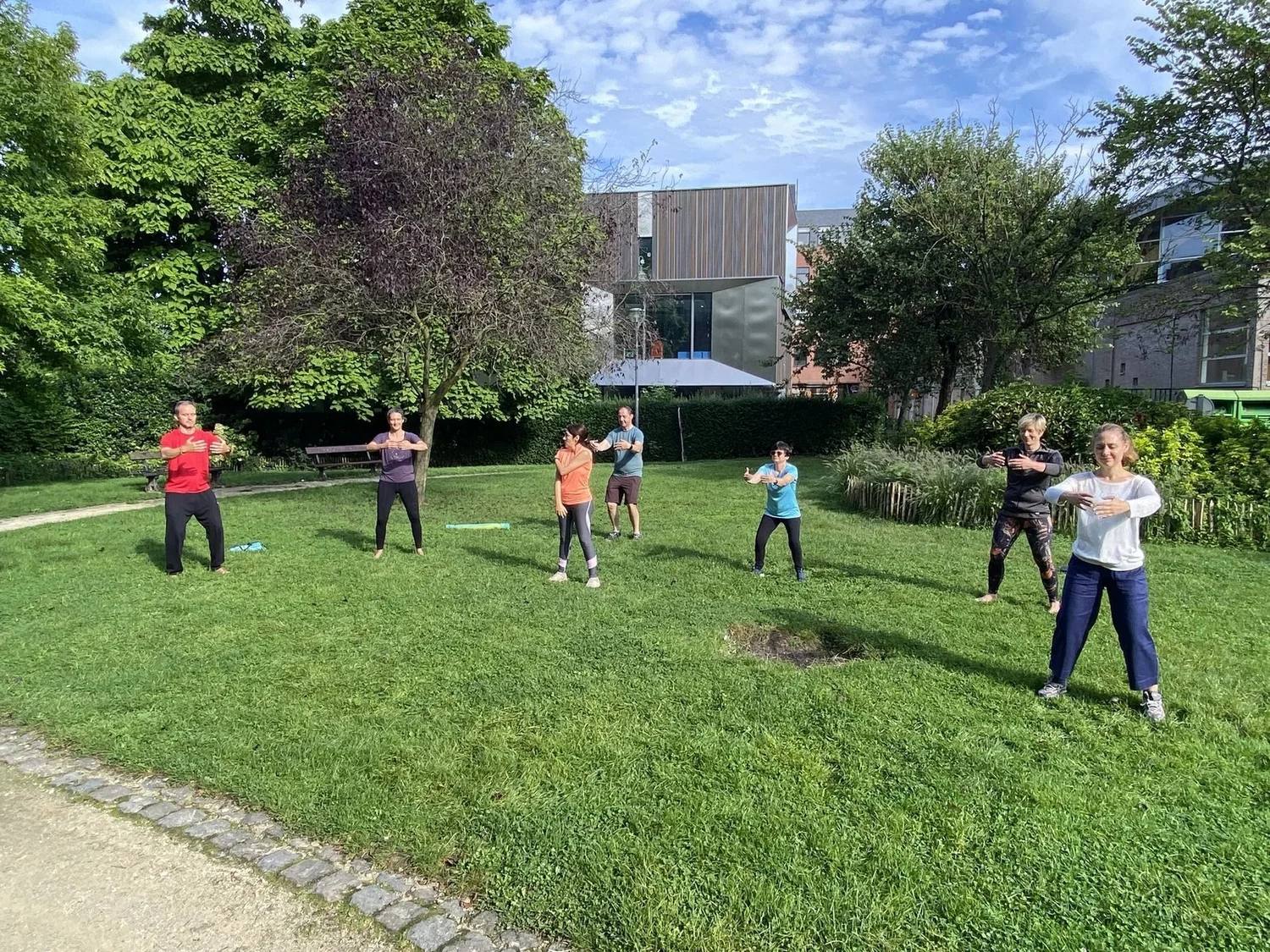
Make time for yourself
Find your weekly class.
Keep the same group and time slot while exploring different Qigong methods.
Monday evening
18:30–19:30
Unwind and make space for movement.
Book Monday →Saturday morning
10:00–11:00
Begin your weekend with a calmer rhythm.
Book Saturday →Centre Sportif Espadon · Etterbeek
Rue des Champs 69 · Swimming pool entrance · Salle Nemo, upstairs
First class €15 · Single class €20 · Packs available
Check available dates and reserve your place online.
Your teacher
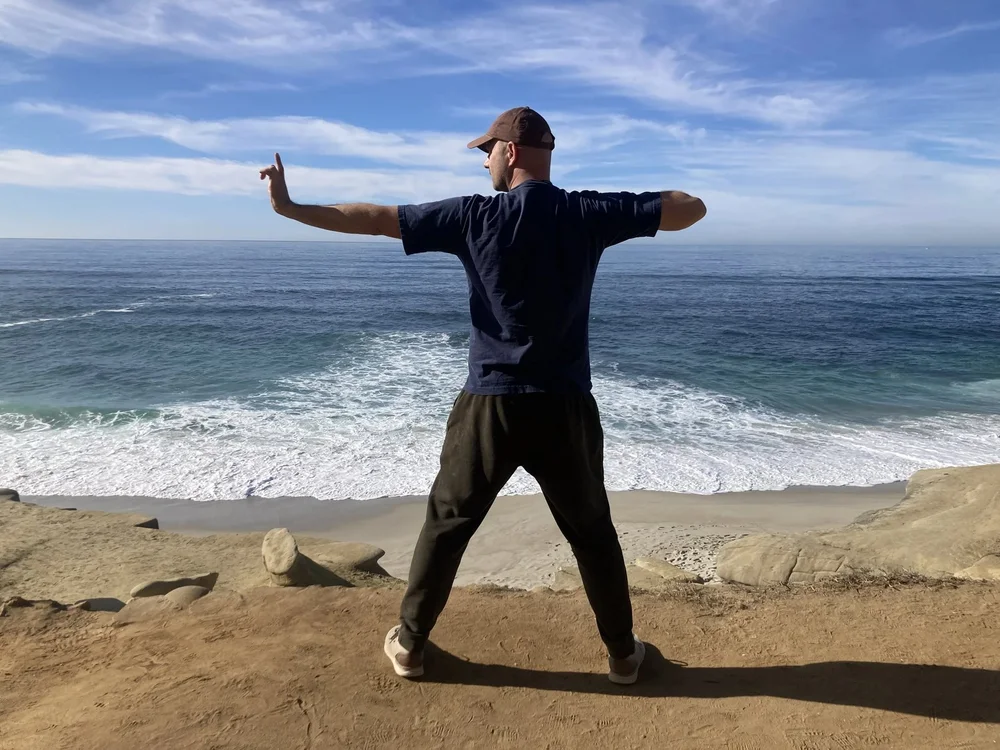
Practise with Stephan.
My background in osteopathy and movement coaching shapes how I teach: attention to each person, clear explanations and gradual progression.
We explore breathing, movement and a sense of opening through the body’s connective tissue—the fascia—to feel less restricted and more at ease.
Many methods. One continuing practice.
Qigong encompasses many approaches—from quiet standing to flowing sequences and more demanding physical practice.
My classes draw on Ba Duan Jin, Yi Jin Jing, Zhan Zhuang, Luohan and other methods. Each offers a different way to explore the body–mind connection through movement, breathing and attention.
We learn progressively, adapting the practice to the group.
Keep your preferred class time. Discover different methods. Let your practice grow.
A practice for longevity.
Longevity means more than years: it means preserving the freedom to do the things you enjoy.
Our focus is practical—cultivating mobility, balance, coordination and body awareness for everyday life, now and as you grow older.
“The different approaches—static, dynamic and walking—make this a varied practice that encourages you to reflect on your body and how it works, beyond the practice itself.”